You don't lose matches by much. You lose them by two points. The same two, every time.
You've drilled the technique. You've done the fitness. And still, in the match or the tiebreak, when you have chances to close out, something else takes over. That's not a skill you're missing. It's something that's never actually been measured, until now.
Free · 15 questions · under 2 minutes
Win the next two points. Every time it's on the line. On command. Not by luck.
Not a fluke. Not "today I found my game." It starts with knowing exactly what's costing you those two points. You the person, you the player, or you the pressure reaction. That's what the diagnostic gives you: the clarity to turn the matches that used to slip away 6:7, 6:7 into matches that finish 7:6, 7:6.
15 questions. Under 2 minutes. Three places the answer could be hiding.
01
The Person
Who you are when it's on the line. How you actually respond, emotionally and mentally, when it's win or lose and there's no action replay.
02
The Player
Your real capability to execute the tactic that wins the next two points. Not just your best shots in the warm-up.
03
The Pressure
Fight, freeze, or flee. Whether you seek out the moment and rise to it, or shrink from it, in the instant it counts.
Clarity. A percentage. A coordinate. One thing to train.
Your clarity
A straight answer on what's actually blocking you. Not a personality quiz. A diagnosis.
Your coordinate
Your exact position in the 3D Clutch box, and the red line showing what to train to reach Clutch status.
Your one thing
Not a programme. Not a plan. The single specific thing costing you the most close matches right now.
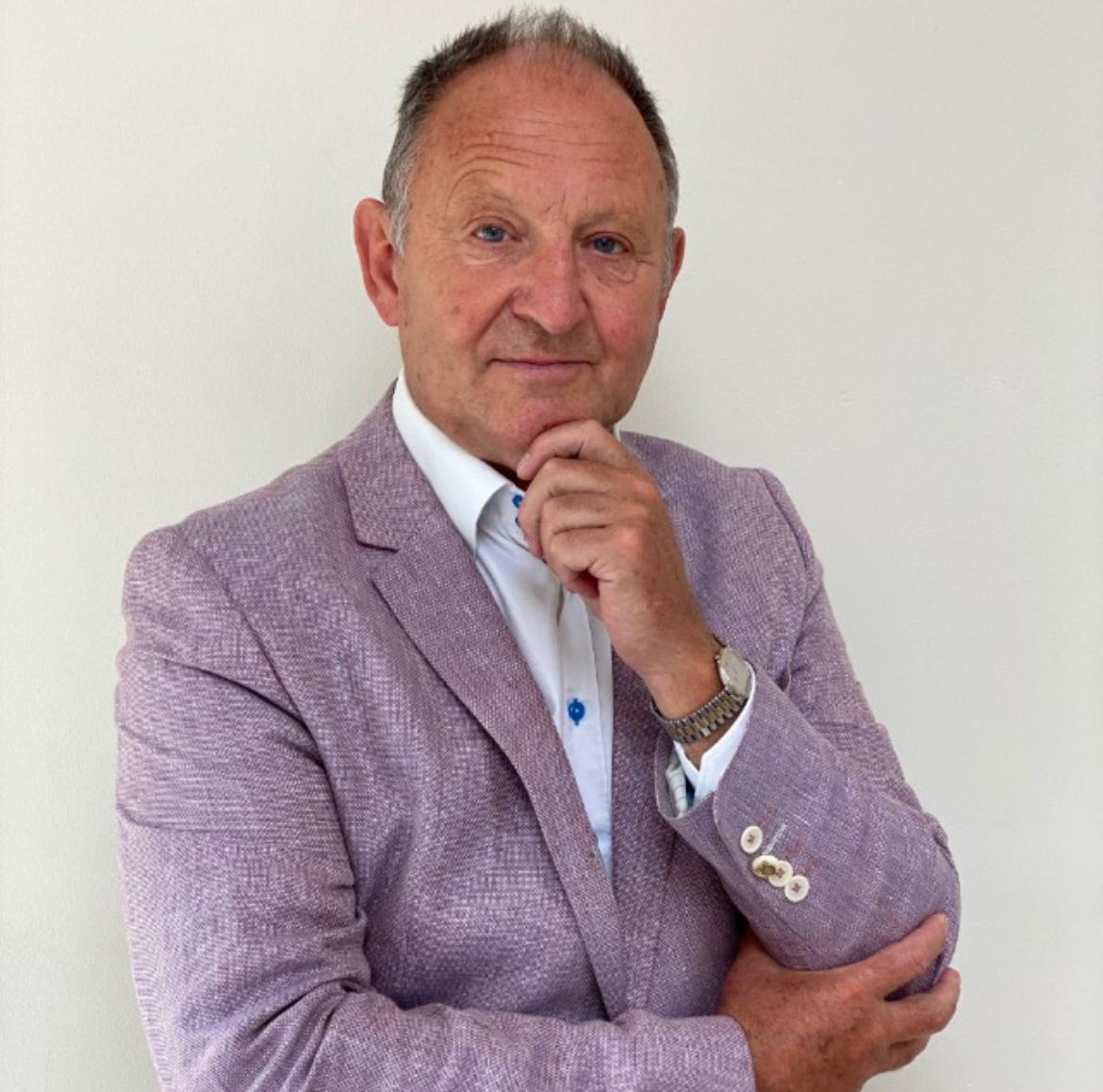
Built to answer a question no one could answer him.
Mark Jeffery, Founder
Clutch Quotient started life in the military: training people to make life-or-death decisions with no action replay. Mark Jeffery took that same thinking and turned it into a way to diagnose tennis. Not life or death, but with the same instant, no-take-backs pressure.
He didn't build it from a theory. He built it from a memory. Two match points up against the RAF's number one, on the grass at Wimbledon, and still finding a way to give it away. Pressure hijacked his brain and body, and the next thing he knew, it was game, set, and match to his opponent. He had no way, then, to know why. That's the gap Clutch Quotient closes.
The questions are shaped by coaches who watch this exact gap every day.
Vlado Platenik and Dan Kiernan aren't running your training here. But they have shaped what this diagnostic actually asks.
Vlado Platenik
Singles DevelopmentI have spent more than 25 years coaching on the WTA and ATP Tours. I have consistently developed overlooked talent, guiding players from outside the Top 100 to the Top 100, and beyond, including Dominika Cibulková (No. 161 to World No. 12 during our partnership, later World No. 4), Daria Kasatkina (outside the Top 300 to World No. 19 during our three-year partnership, later Top 10), Veronika Kudermetova (No. 46 to Top 20, later Top 10), and Ajla Tomljanović (from 180 to 70, later Top 40). Lulu Sun from 240 to 39 WTA, Ksenia Efremova from 40 ITF juniors to nr. 1, and winning Australian Open.
My passion is recognizing untapped potential and helping players achieve breakthroughs that few believe are possible. I am addicted to results! Few coaches in the world have taken more unseeded, underfunded, and overlooked players from outside the Top 100 to the top of professional tennis.
Dan Kiernan
Doubles DevelopmentTook two lowly-ranked players to world No. 1 in doubles and two-time Grand Slam champions at the US Open. A front-row view of how pressure shows up differently across singles and doubles.
The Clutch Quotient is built on research that has spent over a decade analysing what actually happens under pressure in professional tennis, including an analysis of more than 650,000 Grand Slam points. That body of work found that how a player performs when it matters most is a measurable, individual trait, distinct from their everyday level, and a significant predictor of who wins.
I did the diagnostic, and I got immediate clarity on what was standing in my way for winning big points in big matches. Furthermore, it told me exactly what to train.
Kelly Stobbe, World Ranked #1 +60 Mixed Doubles
Find out what's really standing between you and the next two points.
15 questions · under 2 minutes · immediate results · FREE